 Sale
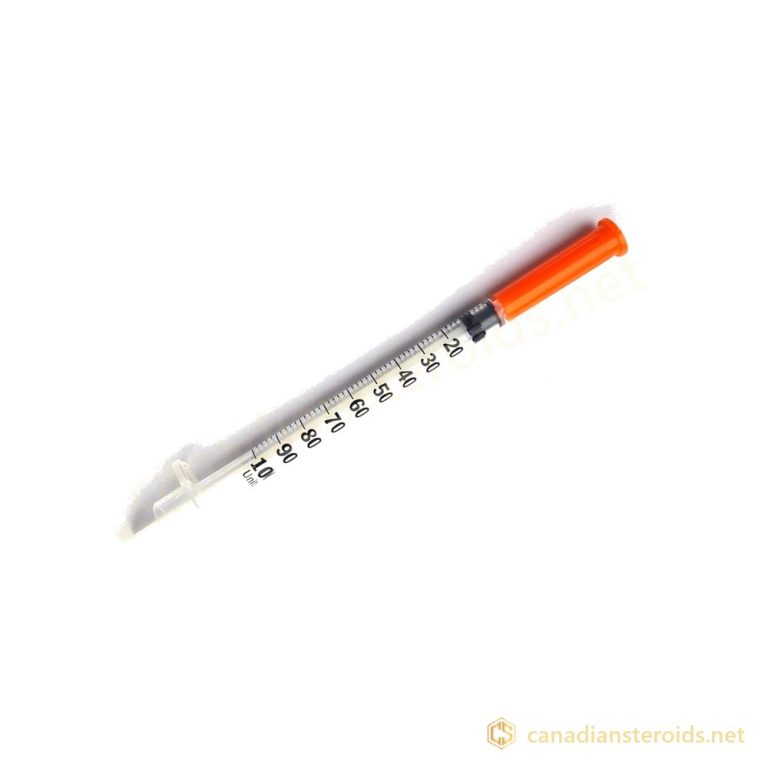
EasyTouchInsulin Syringes 30G U-100 (bag of 10)
Original price was: $15.00.$12.30Current price is: $12.30.Add +
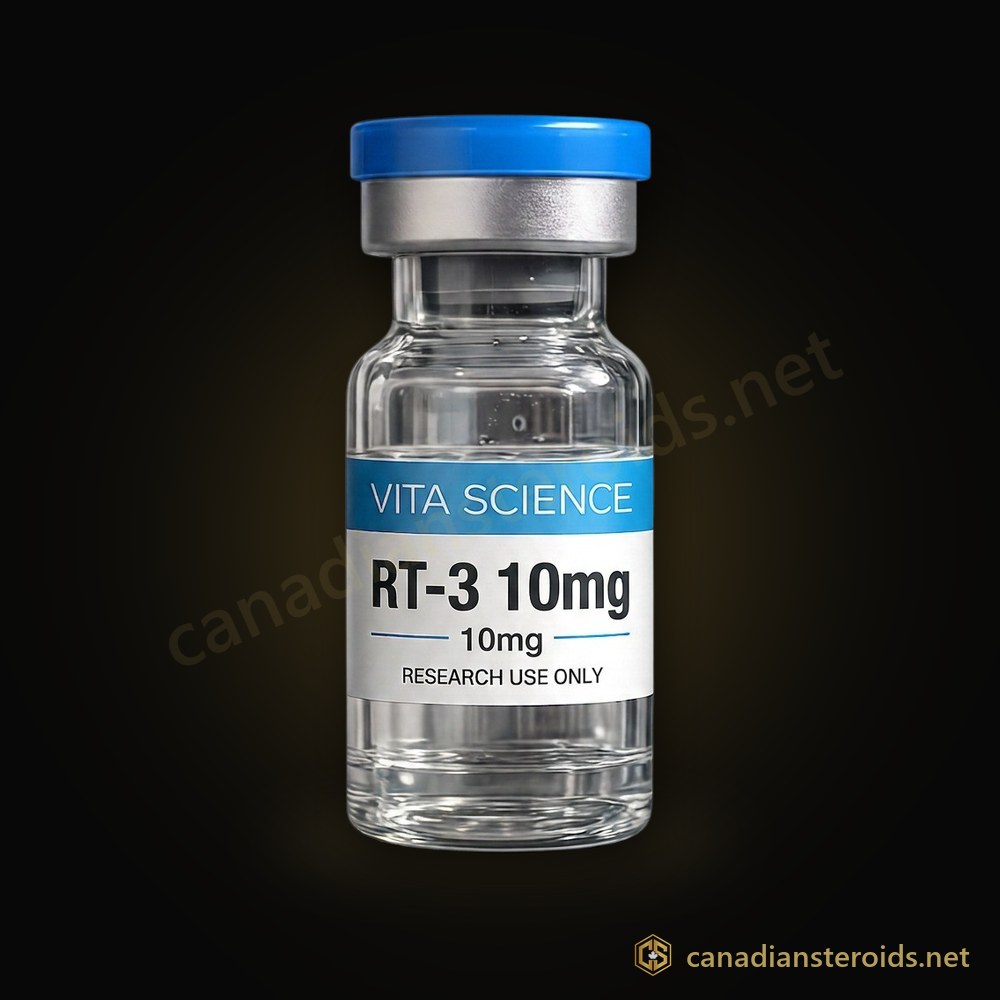
RT-3 is Reta, an investigational weight-loss drug that acts on three hormone pathways at once: GLP-1, GIP and glucagon. Each vial contains 10 mg of freeze-dried powder for mixing with bacteriostatic water, and it’s injected once a week.
In clinical studies, Reta produced larger average weight loss than current GLP-1 medicines, along with improvements in blood sugar, liver fat and cardiovascular markers. It’s still being tested, though, and hasn’t been approved by Health Canada or the FDA, so its long-term safety isn’t known yet. Here’s what the research shows so far.
Reta is a single molecule that activates three receptors, which is why it’s called a “triple agonist”:
A half-life of about 6 days keeps levels steady with one injection a week.
Trial side effects resemble other GLP-1 drugs and are most common when the dose goes up.
Nausea, vomiting, diarrhea and constipation were the most frequent, mostly mild to moderate and fading over time.
Resting heart rate rose with dose in trials. Check your pulse and stop if you get palpitations.
As with other incretin drugs, severe stomach pain spreading to the back, or upper-right pain with fever or yellow skin, needs urgent care.
Vomiting or diarrhea can dehydrate you and strain your kidneys; drink plenty of fluids.
Large, long-term trials aren’t finished, so uncommon risks may not be known yet.
Or a family member have had medullary thyroid cancer or MEN 2, you’ve had pancreatitis, have type 1 diabetes, are pregnant, breastfeeding or planning pregnancy, or are under 18.
Test before you start, then about every 3 months.
Clinical reference. Reta has no approved dose. In the published phase 2 obesity trial, weekly doses went up to 12 mg, with higher-dose groups starting at 2 mg and increasing every 4 weeks. The 12 mg group lost about 24% of body weight on average after 48 weeks.
Talk to a doctor before use.
Mixing math. Adding 1 ml of bacteriostatic water to the 10 mg vial gives 10 mg per ml, so every 10 units on a U-100 syringe is 1 mg:
Label the vial with its concentration so every dose is measured the same way.
Yes. RT-3 is a vial of Reta, the triple GLP-1, GIP and glucagon agonist.
Semaglutide acts on GLP-1, and TZ5 on GLP-1 and GIP. Reta adds glucagon, which increases energy use and fat burning in the liver.
Five weeks at 2 mg a week, two and a half at 4 mg, or just over one at 8 mg.
Orders ship by Canada Post Xpresspost, with tracking within 72 hours of payment, with tracking.
Reta is still in clinical trials and isn’t approved by Health Canada. It isn’t a controlled substance.
In a plain, unbranded box with no product names on the outside.